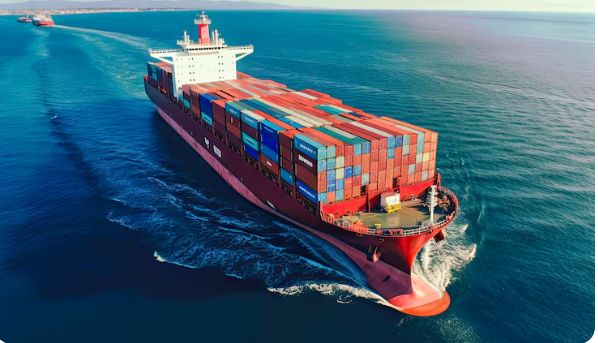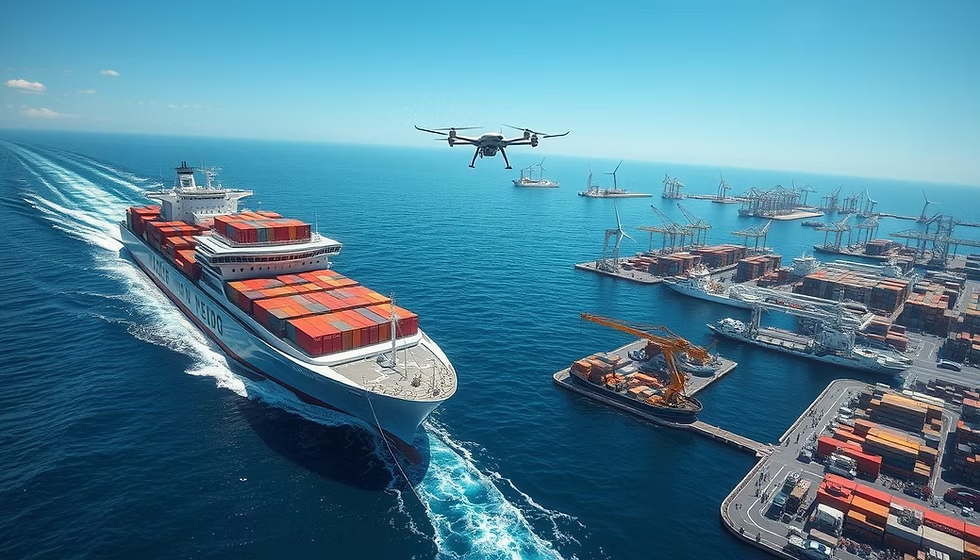
Ship design is changing faster than ever as global shipping faces pressure to become cleaner, smarter, safer, and more cost-efficient. Today, naval architects are no longer focused only on hull shape, cargo capacity, engine power, and structural strength. Instead, they must consider emissions regulations, digital systems, alternative fuels, automation, crew welfare, lifecycle efficiency, and changing trade patterns. This is why Modern Ship Design Trends in the Maritime Industry have become a major topic for shipbuilders, marine engineers, fleet owners, port operators, and logistics companies.
The maritime sector is responsible for moving most of the world’s international trade, so every improvement in vessel design can influence fuel consumption, operating costs, safety, and environmental impact. According to the International Maritime Organization, technological innovation and alternative fuels are central to reducing greenhouse gas emissions from international shipping. As a result, ship design has become a strategic tool for future-ready maritime operations.
In this article, we will explore the most important Modern Ship Design Trends in the Maritime Industry, how they are shaping new vessels, and why shipowners are investing in smarter and more sustainable marine engineering solutions.
Modern Ship Design Trends in the Maritime Industry and Sustainable Vessel Engineering
One of the biggest changes in ship design is the move toward sustainability. For decades, ships were mainly designed around fuel efficiency, cargo volume, stability, speed, and durability. While those factors still matter, environmental performance has now become a core design priority. The 2023 IMO greenhouse gas strategy aims to reduce emissions from shipping and supports the wider use of alternative fuels and new technologies. This has made Modern Ship Design Trends in the Maritime Industry strongly connected with decarbonization and cleaner propulsion.
Modern vessels are increasingly being designed with energy-saving hull forms, optimized bulbous bows, air lubrication systems, efficient propellers, waste heat recovery, and advanced coatings that reduce drag. These features help ships travel farther while consuming less fuel. In addition, lightweight materials and improved structural layouts are being used to reduce unnecessary weight without compromising safety. Even small improvements in resistance and propulsion efficiency can create major savings over a vessel’s 20- to 30-year service life.
Another important part of sustainable ship design is fuel flexibility. Shipowners are cautious because the future fuel market is still developing, but many new vessels are being built with dual-fuel engines or “future-ready” layouts that can later support methanol, ammonia, hydrogen, LNG, biofuels, or battery-hybrid systems. DNV’s Maritime Forecast to 2050 focuses heavily on how shipping will navigate decarbonization and alternative fuel choices. This shows that Modern Ship Design Trends in the Maritime Industry are not only about building greener ships today but also about preparing vessels for tomorrow’s fuel infrastructure.
However, the transition is not simple. Alternative fuels can require larger tanks, different safety systems, new bunkering arrangements, ventilation changes, and crew training. For example, ammonia may offer carbon-free combustion potential, but it creates safety and toxicity challenges. Hydrogen has storage and energy-density limitations. Methanol is easier to handle than some alternatives, but supply and lifecycle emissions still matter. Therefore, modern ship design must balance technical feasibility, cost, regulation, and long-term operational flexibility.
Digitalization, Smart Ships, and Modern Ship Design Trends in the Maritime Industry
Digital transformation is another major force behind Modern Ship Design Trends in the Maritime Industry. In the past, ship design relied heavily on separate engineering drawings, manual calculations, and physical model testing. Today, digital shipbuilding uses 3D modeling, simulation, data integration, artificial intelligence, and digital twins to improve accuracy and reduce costly design errors. Modern vessels are becoming complex systems where machinery, navigation, cargo handling, safety equipment, and energy management must work together seamlessly.
Digital twins are especially important in modern ship design. A digital twin is a virtual model of a vessel that can be updated with real-time data from sensors, machinery, navigation systems, and onboard equipment. Researchers note that digital twins can support condition monitoring, predictive analytics, decision-making, and autonomous vessel development. In practical terms, this means shipowners can monitor hull performance, engine condition, fuel consumption, vibration, route efficiency, and maintenance needs before problems become expensive failures.
Smart ship technology is also changing bridge design, engine room layout, and onboard operations. Advanced sensors, integrated control systems, remote monitoring, cybersecurity architecture, and automated navigation support are becoming part of the ship design process from the beginning. These systems allow operators to make better decisions, reduce downtime, improve safety, and optimize voyages based on weather, currents, port congestion, and fuel prices.
Autonomous and remotely assisted ships are another growing area. Although fully autonomous deep-sea vessels are not yet common in commercial shipping, the technology is developing quickly in short-sea shipping, ferries, offshore support, research vessels, and port operations. Modern ship design must therefore include redundant systems, reliable communication networks, collision avoidance technology, advanced sensors, and fail-safe operating modes. Digital-physical testing environments are also being used to validate maritime autonomous surface ship algorithms before full-scale deployment.
As a result, Modern Ship Design Trends in the Maritime Industry now require close cooperation between naval architects, software developers, marine engineers, cybersecurity experts, data scientists, and classification societies. A ship is no longer just a floating structure with engines; it is becoming a connected digital platform. This shift improves efficiency, but it also creates new responsibilities. Designers must think about cyber risk, data ownership, software updates, system integration, and crew training from the earliest design stage.
Efficiency, Safety, and Human-Centered Modern Ship Design Trends in the Maritime Industry
While sustainability and digitalization attract the most attention, safety and human-centered design remain essential parts of Modern Ship Design Trends in the Maritime Industry. A well-designed ship must protect cargo, crew, passengers, machinery, and the marine environment. Modern vessel design therefore uses advanced risk assessment, improved fire safety systems, better evacuation planning, enhanced stability analysis, and stronger compliance with international regulations.
Efficiency is also being redefined. In older ship design models, efficiency often meant carrying the maximum cargo at the lowest possible cost. Today, efficiency includes fuel performance, maintenance planning, port turnaround time, crew productivity, emissions compliance, route flexibility, and lifecycle value. For example, container ships may be designed for improved cargo handling and lower energy use at slow steaming speeds. Offshore vessels may require dynamic positioning, hybrid battery systems, and specialized deck layouts. Passenger vessels need comfort, safety, energy efficiency, and increasingly shore-power compatibility in port.
Crew welfare is another important trend. Modern ship interiors are being designed with better accommodation, noise reduction, vibration control, lighting, ventilation, recreation spaces, and ergonomic work areas. This is especially important because seafarers often spend long periods at sea, and better onboard living conditions can improve safety, morale, and retention. In addition, automation does not remove the need for skilled crew; instead, it changes the type of work they perform. Therefore, bridge layouts, control rooms, training systems, and human-machine interfaces must be designed for clarity and safety.
Another major factor in Modern Ship Design Trends in the Maritime Industry is modularity. Shipowners want vessels that can adapt to changing regulations, cargo demands, and technology. Modular engine rooms, flexible cargo spaces, upgrade-ready electrical systems, and adaptable deck arrangements can extend a ship’s commercial life. This approach helps reduce the risk of building vessels that become outdated too quickly.
At the same time, ports are changing. Smart ports, automated terminals, shore power, digital documentation, and stricter environmental rules are influencing ship design. New vessels must communicate better with port infrastructure, reduce emissions near shore, and support faster loading and unloading. Therefore, ship design is now linked not only to ocean performance but also to port compatibility and supply chain efficiency.
Read Also: How AI Is Changing Human Resources
Why Modern Ship Design Trends in the Maritime Industry Matter for Shipowners
For shipowners, Modern Ship Design Trends in the Maritime Industry are not just technical ideas; they directly affect profitability. A poorly designed ship can suffer from high fuel costs, regulatory penalties, maintenance problems, poor resale value, and limited trading flexibility. On the other hand, a modern vessel designed with efficiency, digital systems, and future fuel options can deliver better long-term performance.
The global orderbook includes thousands of vessels, and many new ships are becoming more specialized because of hybrid propulsion, alternative fuels, ice-class requirements, and special-purpose operations. Industry analysis suggests that digital integration, simulation, and shared data are becoming essential for handling this growing complexity. This means successful ship design now depends on early planning, accurate modeling, and close collaboration between all stakeholders.
Modern ship design also matters because regulations are moving quickly. Emissions rules, carbon intensity targets, safety standards, and regional environmental requirements are influencing investment decisions. A vessel built today must remain competitive for decades, so shipowners must think beyond immediate construction cost. The best ship design is not always the cheapest design; it is the one that balances capital cost, operating cost, compliance, reliability, and future adaptability.
In short, Modern Ship Design Trends in the Maritime Industry are reshaping how ships are imagined, engineered, built, and operated. The future belongs to vessels that are cleaner, smarter, safer, more connected, and more flexible.
FAQs About Modern Ship Design Trends in the Maritime Industry
What are the most important Modern Ship Design Trends in the Maritime Industry?
The most important Modern Ship Design Trends in the Maritime Industry include sustainable vessel engineering, alternative fuel readiness, digital twins, smart ship systems, automation, improved hull efficiency, hybrid propulsion, crew-centered design, and modular ship layouts. These trends help ships reduce emissions, improve safety, lower fuel costs, and remain competitive in a changing global market.
How is sustainability changing ship design?
Sustainability is changing ship design by making emissions reduction a core priority. Designers now focus on efficient hull forms, low-friction coatings, energy-saving devices, alternative fuels, battery-hybrid systems, and better route performance. These improvements help ships meet environmental targets while reducing operating costs.
Are autonomous ships part of modern ship design?
Yes, autonomous and remotely assisted vessels are part of modern ship design, especially in short-sea shipping, ferries, offshore operations, and research vessels. While fully autonomous ocean-going cargo ships are still developing, many new vessels already include automation, advanced sensors, decision-support systems, and remote monitoring.
Why are digital twins important in ship design?
Digital twins are important because they allow shipowners and engineers to monitor vessel performance, predict maintenance needs, test operational scenarios, and improve safety. A digital twin can help reduce downtime, improve fuel efficiency, and support smarter decision-making throughout the vessel’s life.
What role do alternative fuels play in Modern Ship Design Trends in the Maritime Industry?
Alternative fuels play a major role because shipping must reduce greenhouse gas emissions. New ships may be designed for LNG, methanol, ammonia, hydrogen, biofuels, or battery-hybrid systems. However, each fuel has different storage, safety, cost, and infrastructure requirements, so designers must build flexibility into future-ready vessels.
Conclusion
Ship design is entering a new era where sustainability, digitalization, safety, and long-term adaptability are equally important. The leading Modern Ship Design Trends in the Maritime Industry show that vessels are becoming cleaner, smarter, and more efficient than ever before. From alternative fuel systems and optimized hull forms to digital twins, automation, and human-centered layouts, every design choice now affects a ship’s future performance.
For shipowners, builders, and maritime professionals, understanding Modern Ship Design Trends in the Maritime Industry is essential for staying competitive. A modern ship must not only perform well today but also remain compliant, efficient, and commercially valuable for decades. As regulations tighten and technology advances, the future of ship design will belong to vessels that combine engineering excellence with environmental responsibility and digital intelligence.