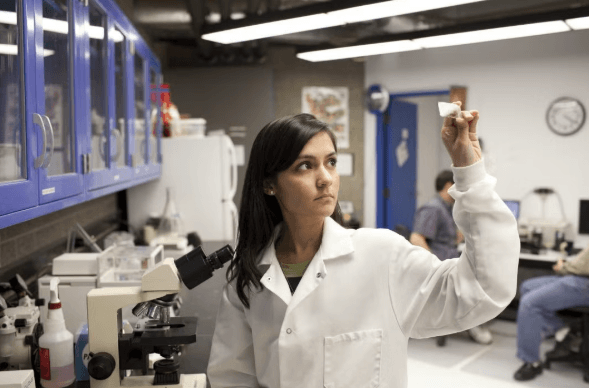
Independent research sharpens critical thinking by forcing precise questions, careful source appraisal, and disciplined inquiry. It trains evidence-based judgment and autonomous problem-solving. Evaluating sources, documenting methods, and recognizing bias build transparency and confidence. These skills extend beyond academia to everyday decisions and real-world testing, enabling reproducible results driven by curiosity. The implications are broad, yet the path requires method and rigor—questions remain, and what follows may redefine practical judgment.
Why Independent Research Boosts Critical Thinking
Independent research fosters critical thinking by requiring individuals to identify relevant questions, assess sources, and validate conclusions without reliance on authorities.
The process cultivates curiosity driven inquiry, guiding methodical investigation and disciplined evaluation.
It promotes evidence based reasoning, establishing verifiable claims through data, logic, and reproducible steps.
This approach enhances autonomy, discernment, and adaptability, enabling informed, principled judgment in complex, diverse contexts.
How to Evaluate Evidence to Build Confidence
Evaluating evidence to build confidence requires a disciplined, systematic approach that distinguishes credible data from unreliable signals. Evidence appraisal entails verifying sources, replicability, and relevance while documenting methods. Bias awareness highlights potential cognitive and methodological distortions that could skew conclusions. Researchers compare competing findings, seek counterexamples, and assess uncertainty, enabling transparent interpretation. This disciplined scrutiny sustains independent inquiry and supports informed, freedom-centered decision-making.
Independent Research Skills That Travel Beyond Academia
In the realm beyond academia, independent research skills translate into practical competencies that support informed decision-making, everyday problem solving, and evidence-informed argumentation. These abilities promote curiosity cultivation and structured evidence interpretation, enabling nonacademic actors to assess claims, compare sources, and verify outcomes. By separating uncertainty from bias, researchers cultivate reproducible methods, disciplined skepticism, and concise documentation that informs responsible choices in diverse, freedom-valuing contexts.
See also: buzztricks
Turn Curiosity Into Real-World Impact
Curiosity, when focused and disciplined, can be transformed into action that yields tangible benefits in everyday contexts.
Turned into strategy, inquiry yields observable outcomes through curiosity driven questions and disciplined testing.
Real world experimentation translates hypotheses into practical solutions, guiding evidence-based decisions.
Independent researchers map constraints, document results, and scale validated ideas, ensuring transparent evaluation, reproducibility, and measurable impact beyond theoretical reasoning.
Conclusion
Independent research fosters disciplined inquiry, methodical evidence appraisal, and autonomous judgment. By identifying questions, evaluating sources, and documenting processes, individuals develop transferable skills—critical thinking, problem solving, and transparent reasoning—that extend beyond academia into daily decision-making and practical impact. An anticipated objection might claim that independent work lacks rigor without institutional oversight; however, rigorous self-evaluation, reproducible methods, and bias awareness ensure credible conclusions. Ultimately, curiosity-driven investigation yields reliable insights, scalable results, and empowered, evidence-based action in real-world contexts.