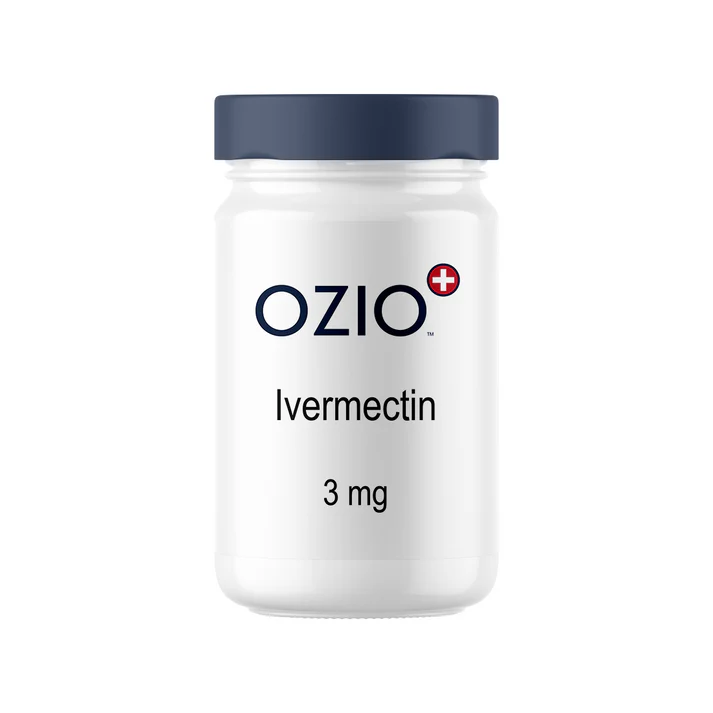
Ivermectin 3mg tablet is a prescription medication commonly used to treat certain parasitic infections in humans. It has been used for decades in many parts of the world and is recognized for its effectiveness against a range of parasites when prescribed by a healthcare professional. While ivermectin is well known for its role in treating parasitic diseases, it should only be taken for approved medical conditions and under proper medical supervision.
In this article, we’ll explain how Ivermectin 3mg tablet works, the conditions it is prescribed for, how it should be taken, and important safety considerations.
What Is Ivermectin 3mg Tablet?
Ivermectin belongs to a class of medications known as antiparasitic agents. It is designed to eliminate parasites that live inside or on the human body. The 3mg tablet strength allows healthcare providers to prescribe an appropriate dose based on factors such as body weight, age, and the type of infection being treated.
Ivermectin is available in different strengths, and the dosage prescribed depends on the patient’s medical condition and individual treatment plan.
How Does Ivermectin 3mg Tablet Work?
Ivermectin works by targeting the nervous system and muscle cells of certain parasites. It binds to specific channels found in parasites, causing paralysis and eventually leading to their death. Once the parasites are unable to function, the body’s immune system can naturally remove them.
One of the reasons ivermectin is effective is that these targeted channels are present in parasites but not in the same form in humans, making the medication selective when used at prescribed doses.
The medicine does not act like a traditional antibiotic because it is designed specifically to combat parasites rather than bacteria or viruses.
Conditions Commonly Treated with Ivermectin 3mg Tablet
Healthcare providers may prescribe Ivermectin 3mg tablet for several parasitic infections, including:
Intestinal Strongyloidiasis
Strongyloidiasis is an infection caused by the parasite Strongyloides stercoralis. This parasite can live in the intestines and may remain unnoticed for years if left untreated.
Ivermectin is considered one of the standard treatments because it effectively removes the parasite and helps prevent long-term complications.
Onchocerciasis (River Blindness)
Onchocerciasis is caused by the parasite Onchocerca volvulus and is transmitted through blackfly bites. The infection can affect the skin and eyes and may eventually lead to vision loss if not treated.
Ivermectin helps reduce the number of parasite larvae circulating in the body, improving symptoms and reducing disease progression.
Scabies
Although topical treatments are often the first choice for scabies, oral ivermectin may be prescribed in certain situations, including:
- Severe scabies
- Crusted scabies
- Widespread outbreaks
- Patients who cannot use topical medications
Treatment plans may include multiple doses depending on the severity of the infection.
Head Lice
For difficult or treatment-resistant head lice infestations, doctors may prescribe oral ivermectin after evaluating the patient’s condition.
It is generally reserved for cases where standard treatments have not been successful.
Other Parasitic Infections
In some situations, healthcare professionals may prescribe ivermectin for other parasitic infections when clinically appropriate. The exact treatment depends on the type of parasite involved and the patient’s overall health.
When Is Ivermectin 3mg Tablet Prescribed?
Doctors prescribe ivermectin only after confirming or strongly suspecting a parasitic infection.
Factors they consider include:
- Laboratory test results
- Symptoms
- Travel history
- Geographic location
- Exposure to infected individuals
- Medical history
The dosage and treatment schedule vary depending on the specific infection and the patient’s body weight.
Self-diagnosing or taking ivermectin without medical advice is not recommended.
How to Take Ivermectin 3mg Tablet
Patients should always follow their healthcare provider’s instructions.
General recommendations include:
- Take the tablet exactly as prescribed.
- Swallow it with water.
- Follow any instructions regarding whether to take it on an empty stomach or with food, as advised by your healthcare provider.
- Complete the prescribed course if multiple doses are required.
- Do not increase or decrease the dose on your own.
For some infections, follow-up testing may be necessary to ensure the treatment has been effective.
Possible Side Effects
Like all medications, Ivermectin 3mg tablet may cause side effects. Most are mild and temporary, but some individuals may experience more significant reactions.
Common side effects include:
- Headache
- Dizziness
- Nausea
- Diarrhea
- Fatigue
- Mild skin rash
Some patients may also experience symptoms related to the body’s immune response as parasites die, depending on the type of infection being treated.
Seek immediate medical attention if you experience:
- Difficulty breathing
- Severe allergic reactions
- Swelling of the face or throat
- Persistent confusion
- Severe skin reactions
Any unusual or worsening symptoms should be reported to your healthcare provider promptly.
Who Should Not Take Ivermectin?
Ivermectin may not be suitable for everyone.
Before prescribing the medication, healthcare providers consider whether the patient has:
- Allergies to ivermectin or its ingredients
- Liver disease
- Certain neurological conditions
- A weakened immune system
- Other ongoing medical conditions
Patients should also inform their doctor about all prescription medications, over-the-counter medicines, vitamins, and herbal supplements they are taking to avoid potential drug interactions.
Important Safety Considerations
Using ivermectin responsibly is essential for both effectiveness and safety.
Keep these precautions in mind:
- Never take someone else’s prescription.
- Do not use ivermectin for conditions it was not prescribed to treat.
- Follow your doctor’s dosage instructions carefully.
- Attend follow-up appointments if recommended.
- Store the medication according to the instructions on the packaging.
Responsible use helps ensure the medication works as intended while reducing unnecessary health risks.
Can Ivermectin 3mg Tablet Treat Viral Infections?
No. Ivermectin is an antiparasitic medication and is not approved to treat viral infections. It should only be used for medically appropriate indications as determined by a qualified healthcare provider.
Using prescription medications for unapproved purposes without professional guidance can delay appropriate treatment and increase the risk of side effects.
Tips for Patients Taking Ivermectin
To get the best results from treatment:
- Follow your prescribed dosing schedule.
- Inform your healthcare provider if symptoms persist.
- Practice good hygiene to reduce the spread of parasitic infections.
- Wash clothing and bedding when treating contagious conditions such as scabies, if advised.
- Avoid skipping doses.
- Report any unexpected side effects promptly.
Good communication with your healthcare provider helps ensure successful treatment.
Conclusion
Ivermectin 3mg tablet is an established antiparasitic medication used to treat specific parasitic infections such as strongyloidiasis, onchocerciasis, scabies, and certain other conditions when prescribed by a healthcare professional. It works by disrupting the nervous system of susceptible parasites, allowing the body to eliminate them effectively.
Because treatment depends on the type of infection, body weight, and individual health factors, ivermectin should always be used exactly as directed by a qualified healthcare provider. Taking the medication responsibly, following prescribed dosing instructions, and attending recommended follow-up appointments can help achieve the best possible treatment outcomes while minimizing the risk of side effects.