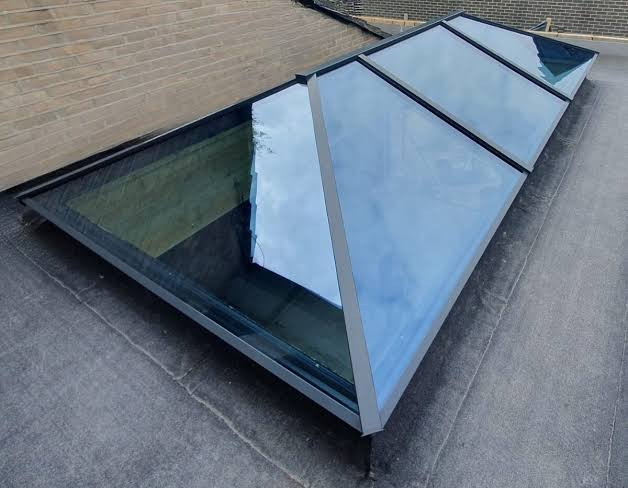
A roof lantern on a pitched roof is an elegant architectural feature that enhances natural lighting, ventilation, and visual appeal in residential and commercial properties. By installing a raised glazed structure on a sloped roof, homeowners can introduce more daylight into interior spaces while creating a bright, open, and attractive atmosphere.
Modern roof lanterns are designed to complement different architectural styles while improving the functionality of living spaces such as kitchens, extensions, dining areas, and open-plan rooms. A well-designed roof lantern on a pitched roof not only transforms the appearance of a property but also increases comfort, energy efficiency, and overall property value.
This complete guide explores how roof lanterns work on pitched roofs, their benefits, design considerations, installation process, maintenance requirements, and key factors to consider before choosing one for your property.
What Is a Roof Lantern on a Pitched Roof?
Before choosing a roof lantern, it is important to understand how this feature works and why it is commonly used in modern architectural designs.
A roof lantern on a pitched roof is a raised glazed structure installed onto a sloped roof surface to allow additional natural light into a building. Unlike traditional skylights that sit flat against the roof, roof lanterns create a three-dimensional architectural feature that projects above the roofline.
These structures typically include glass panels supported by frames made from materials such as aluminum, timber, or uPVC. They are designed to provide maximum daylight while maintaining weather resistance and thermal efficiency.
Roof lanterns are commonly installed on pitched roof extensions, conservatories, or renovated spaces where additional natural light is desired.
Why Install a Roof Lantern on a Pitched Roof?
Adding a roof lantern can significantly improve the appearance and functionality of an interior space. It provides practical advantages while creating a distinctive architectural feature.
Increases Natural Light
One of the biggest advantages of a roof lantern is the increased amount of daylight it introduces into a room. The raised design allows sunlight to enter from multiple angles throughout the day.
Creates a Spacious Feel
Natural light can make rooms appear larger, brighter, and more welcoming. A roof lantern helps transform enclosed spaces into open and comfortable environments.
Enhances Property Appearance
A professionally designed roof lantern adds character and architectural interest to a property. It can become a central design feature that improves both interior and exterior aesthetics.
Improves Indoor Comfort
Better access to daylight reduces the need for artificial lighting during the daytime while creating a healthier and more enjoyable living environment.
Benefits of a Roof Lantern on a Pitched Roof
A roof lantern offers several long-term benefits when properly designed and installed. From improved aesthetics to better energy efficiency, it can provide significant value to homeowners.
Better Daylight Distribution
Unlike standard windows, roof lanterns allow light to spread more evenly throughout a room. This helps reduce darker areas and creates a balanced interior environment.
Energy Efficiency
Modern roof lanterns use advanced glazing technology to improve insulation and reduce heat loss. Energy-efficient glass helps maintain comfortable indoor temperatures throughout the year.
Increased Property Value
Architectural improvements that enhance natural light and living space can make a property more attractive to potential buyers and increase its market appeal.
Improved Ventilation Options
Many roof lantern systems can include opening mechanisms that allow warm air to escape, improving airflow and reducing overheating during warmer months.
Design Considerations for Roof Lanterns on Pitched Roofs
Selecting the right roof lantern design requires careful consideration of the property’s structure, style, and performance requirements. A well-planned installation ensures the feature enhances the building rather than creating problems.
Roof Structure Compatibility
The existing pitched roof must be assessed to ensure it can support the additional structure. Professional evaluation helps determine the correct installation method and reinforcement requirements.
Size and Placement
The size and location of the roof lantern affect how much daylight enters the space. Proper positioning ensures maximum light exposure without compromising roof performance.
Frame Material Selection
Different materials provide different benefits. Aluminum offers strength and durability, timber provides a traditional appearance, and modern composite options offer a balance of performance and aesthetics.
Glass Specification
Choosing the right glazing is essential for comfort and energy efficiency. Options such as double glazing, low-emissivity glass, and solar-control glazing help manage heat gain and insulation.
Popular Applications of Roof Lanterns on Pitched Roofs
Roof lanterns are suitable for various residential and commercial spaces where additional daylight and architectural enhancement are desired.
Kitchen Extensions
Kitchen extensions often benefit from roof lanterns because they create bright, welcoming cooking and dining environments while improving the feeling of space.
Open-Plan Living Areas
Large open-plan spaces can become more inviting with additional overhead lighting provided by a pitched roof lantern.
Dining Rooms
A roof lantern can create an elegant dining atmosphere by introducing natural light and highlighting the room’s design features.
Conservatories and Garden Rooms
Garden rooms and conservatories frequently use roof lanterns to maximize daylight while maintaining a strong connection with outdoor spaces.
Commercial Buildings
Restaurants, offices, and retail spaces can use roof lanterns to create attractive interiors that improve customer and employee experiences.
Roof Lantern Installation Process
Installing a roof lantern on a pitched roof requires careful planning and skilled workmanship. A professional installation ensures structural integrity, weather protection, and long-term performance.
Initial Roof Assessment
The installation begins with an inspection of the existing roof structure. Professionals evaluate the roof pitch, materials, load capacity, and suitable installation location.
Design Planning
The roof lantern design is finalized based on the building style, room requirements, available space, and desired lighting levels.
Structural Preparation
The roof opening is carefully prepared, and any required structural supports are installed to maintain the strength of the roof.
Roof Lantern Installation
The glazed frame and panels are installed securely, with attention given to waterproofing, insulation, and correct alignment.
Sealing and Finishing
Professional installers complete flashing, sealing, and internal finishing work to ensure the roof lantern performs effectively against weather conditions.
Maintenance Requirements for Roof Lanterns
Regular maintenance helps preserve the appearance, efficiency, and performance of a roof lantern on a pitched roof. Proper care also extends the lifespan of the installation.
Regular Glass Cleaning
Keeping the glass clean allows maximum daylight transmission and maintains the attractive appearance of the roof lantern.
Inspect Seals and Flashing
Checking seals and flashing periodically helps identify potential water entry points before they cause damage.
Maintain Drainage Systems
Gutters and drainage channels should remain clear to prevent water buildup around the roof lantern structure.
Check Opening Mechanisms
If the roof lantern includes ventilation features, moving parts should be inspected and maintained to ensure smooth operation.
Common Challenges With Roof Lantern Installation
While roof lanterns provide many benefits, proper planning is necessary to avoid potential issues. Professional installation helps reduce these risks.
Heat Gain During Summer
Large glazed areas can increase indoor temperatures if unsuitable glass is used. Solar-control glazing and ventilation solutions help manage heat levels.
Water Leakage Risks
Poor installation can lead to leaks around the roof opening. Proper flashing, sealing, and professional workmanship are essential for preventing water issues.
Structural Considerations
Incorrect installation may affect roof integrity. A professional assessment ensures the roof can safely support the additional structure.
Cleaning Accessibility
Larger roof lanterns may require specialized cleaning solutions or maintenance planning to keep the glass looking its best.
How to Choose the Right Roof Lantern for a Pitched Roof
Choosing the right roof lantern involves considering design preferences, performance requirements, and the characteristics of the property.
Consider Roof Style
The roof lantern should complement the existing architecture rather than appear disconnected from the building design.
Choose Quality Materials
High-quality frames and glazing provide better durability, insulation, and long-term performance.
Focus on Energy Efficiency
Energy-efficient glass and properly insulated frames help reduce heating and cooling costs while improving indoor comfort.
Work With Experienced Installers
Professional installation ensures correct fitting, weather protection, and compliance with building requirements.
Modern Trends in Roof Lantern Design
Roof lantern designs continue to evolve as homeowners seek brighter, more efficient, and visually appealing spaces.
Slim Frame Designs
Modern slim-profile frames maximize glass area while creating a sleek and contemporary appearance.
Smart Ventilation Systems
Automated opening systems allow homeowners to control airflow and temperature more easily.
Energy-Efficient Glazing
Advanced glass technologies improve insulation while reducing unwanted solar heat gain.
Custom Architectural Designs
Many homeowners choose bespoke roof lantern designs to create unique features that match their property’s style.
Conclusion
A roof lantern on a pitched roof is an excellent way to improve natural lighting, enhance architectural appeal, and create more comfortable interior spaces. Whether installed in a kitchen extension, living area, dining room, or commercial property, a professionally designed roof lantern adds both practical and aesthetic value.
By considering factors such as roof structure, glazing options, frame materials, ventilation, and professional installation, homeowners can enjoy a durable and energy-efficient feature that enhances their property for many years. A well-installed roof lantern on a pitched roof provides the perfect combination of style, functionality, and natural light while creating a more enjoyable indoor environment.