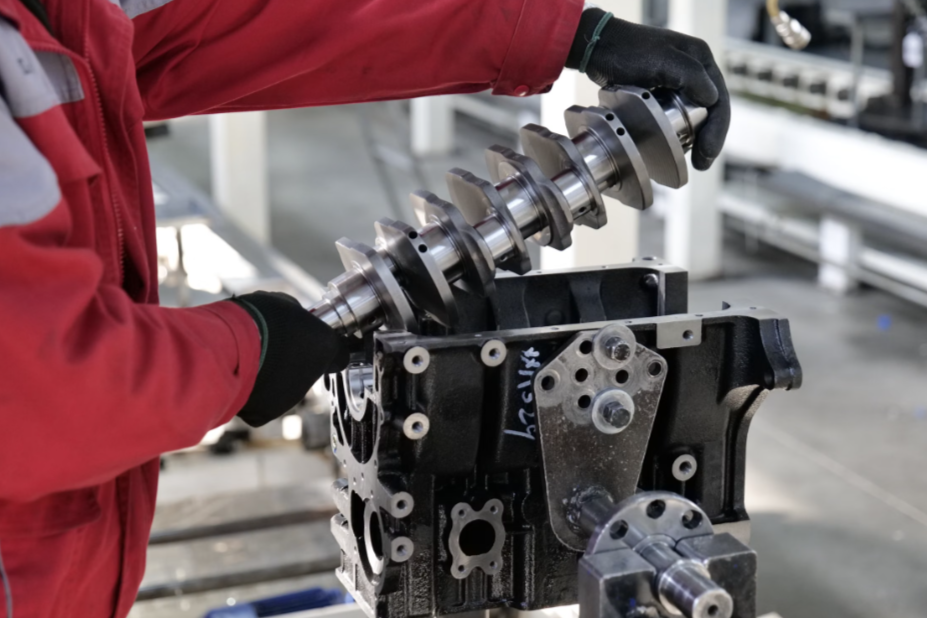
Diesel fuel injection parts are essential components that ensure a diesel engine delivers the correct amount of fuel at the right pressure and timing for efficient combustion. A properly functioning fuel injection system improves engine performance, fuel economy, power output, and emissions while helping extend the lifespan of the engine.
Modern diesel engines rely on advanced fuel injection technology to achieve greater efficiency and reliability. Each component in the system plays a specific role, from drawing fuel from the tank to delivering it into the combustion chamber with exceptional precision. Whether you own a passenger vehicle, heavy-duty truck, agricultural machine, construction equipment, or industrial generator, understanding diesel fuel injection parts can help you maintain peak engine performance and reduce costly repairs.
This guide explains the major diesel fuel injection components, how they work together, their benefits, common problems, maintenance tips, and how to choose quality replacement parts.
What Are Diesel Fuel Injection Parts?
Before exploring individual components, it is important to understand the purpose of a diesel fuel injection system and why each part is critical to engine performance.
Diesel fuel injection parts are the components responsible for storing, filtering, pressurizing, controlling, and injecting diesel fuel into the engine. These parts work together to ensure accurate fuel delivery, efficient combustion, and reliable engine operation under different driving and working conditions.
A well-maintained fuel injection system helps maximize power while reducing fuel consumption and engine wear.
Main Diesel Fuel Injection Parts
A diesel fuel injection system consists of several interconnected components. Each one performs a specific function to ensure efficient fuel delivery and engine operation.
Fuel Injectors
Fuel injectors deliver precisely measured amounts of diesel fuel directly into the combustion chamber at extremely high pressure. Accurate fuel atomization promotes efficient combustion, smoother engine operation, and improved fuel economy.
Modern injectors are designed to deliver multiple injection events during each combustion cycle, improving engine efficiency and reducing emissions.
Fuel Injection Pump
The fuel injection pump pressurizes diesel fuel before it reaches the injectors. It ensures that the correct fuel pressure is maintained throughout engine operation, allowing the injectors to function accurately under varying engine loads.
High-Pressure Fuel Rail
In common rail diesel systems, the fuel rail stores highly pressurized fuel and distributes it evenly to each injector. This allows the engine management system to control injection timing and quantity with greater precision.
Fuel Filter
The fuel filter removes dirt, rust, water, and other contaminants before fuel reaches sensitive injection components. Clean fuel helps prevent injector damage and extends the life of the entire fuel system.
Fuel Pressure Regulator
The fuel pressure regulator maintains consistent pressure throughout the fuel system. Stable fuel pressure ensures accurate injection and reliable engine performance.
Fuel Supply Pump
The fuel supply pump transfers diesel from the fuel tank to the high-pressure injection system while maintaining a steady flow under different operating conditions.
How Diesel Fuel Injection Parts Work Together
Each component within the fuel injection system performs a specific task, but they all operate together to deliver efficient engine performance. Proper coordination ensures reliable combustion and consistent power output.
Fuel Delivery
The fuel supply pump transfers diesel from the fuel tank through the filtration system to remove contaminants before pressurization.
Fuel Pressurization
The fuel injection pump raises fuel pressure to the level required for efficient combustion. High pressure allows fuel to be atomized into fine droplets.
Fuel Distribution
The common rail or fuel distribution system stores and supplies pressurized fuel evenly to each injector.
Precise Fuel Injection
Electronic controls determine the exact timing and amount of fuel injected into each cylinder based on engine speed, load, and operating conditions.
Benefits of High-Quality Diesel Fuel Injection Parts
Using quality fuel injection components provides long-term advantages for both engine performance and reliability.
Improved Engine Performance
Accurate fuel delivery helps produce smoother acceleration, stronger power output, and more consistent engine operation.
Better Fuel Efficiency
Efficient fuel atomization and precise injection timing reduce fuel consumption while maximizing energy from each combustion cycle.
Reduced Engine Wear
Proper fuel delivery minimizes incomplete combustion and reduces carbon buildup, helping extend engine life.
Lower Emissions
Well-functioning injection components support cleaner combustion, helping reduce exhaust emissions and improve environmental performance.
Common Problems With Diesel Fuel Injection Parts
Over time, fuel injection components may experience wear or contamination. Identifying these issues early can prevent more extensive engine damage.
Clogged Fuel Injectors
Deposits and contaminants may restrict injector flow, leading to rough engine operation, poor fuel economy, and reduced power.
Worn Fuel Injection Pump
A worn injection pump may fail to maintain proper fuel pressure, causing starting difficulties and inconsistent engine performance.
Dirty Fuel Filter
A blocked fuel filter restricts fuel flow, reducing engine efficiency and placing additional strain on the injection system.
Fuel Pressure Issues
Incorrect fuel pressure can affect injection timing, combustion quality, and overall engine performance.
Signs of Failing Diesel Fuel Injection Parts
Recognizing early warning signs allows repairs to be completed before significant engine damage occurs.
Hard Starting
Difficulty starting the engine may indicate injector, pump, or fuel pressure problems.
Poor Fuel Economy
Increased fuel consumption often results from inefficient fuel delivery or injector malfunction.
Reduced Engine Power
A loss of acceleration or towing performance may indicate restricted fuel flow or worn injection components.
Rough Idling
Uneven engine operation at idle can result from clogged injectors or inconsistent fuel pressure.
Excessive Exhaust Smoke
Black, white, or blue smoke may indicate improper fuel atomization or incomplete combustion caused by injection system problems.
Maintenance Tips for Diesel Fuel Injection Parts
Routine maintenance helps maximize the lifespan of fuel injection components and maintain reliable engine performance.
Replace Fuel Filters Regularly
Regular fuel filter replacement helps prevent contaminants from reaching sensitive injection components.
Use High-Quality Diesel Fuel
Clean, high-quality diesel reduces deposits and helps maintain injector performance.
Drain Water Separators
Removing accumulated water prevents corrosion and protects fuel system components.
Schedule Regular Inspections
Professional inspections help detect wear before major failures occur.
Use Approved Fuel Additives
Suitable fuel additives may help maintain injector cleanliness and improve fuel system performance when recommended by the manufacturer.
Choosing Quality Diesel Fuel Injection Parts
Selecting reliable replacement components is essential for maintaining engine performance and reducing future repair costs.
Choose OEM or High-Quality Aftermarket Parts
Quality replacement parts are manufactured to precise specifications, ensuring reliable performance and compatibility.
Verify Compatibility
Always ensure replacement parts match the engine model and fuel system requirements.
Purchase From Trusted Suppliers
Reputable suppliers provide genuine components backed by quality standards and product warranties.
Consider Long-Term Reliability
Choosing durable components reduces maintenance frequency and improves overall engine dependability.
Applications of Diesel Fuel Injection Parts
Diesel fuel injection systems are used across many industries where dependable engine performance is essential.
Passenger Vehicles
Modern diesel cars rely on advanced fuel injection systems to improve performance and reduce emissions.
Heavy-Duty Trucks
Commercial trucks require precise fuel delivery to maintain power and fuel efficiency over long distances.
Agricultural Equipment
Tractors, harvesters, and other farming machinery depend on reliable fuel injection systems for demanding workloads.
Construction Equipment
Excavators, loaders, and heavy machinery require durable injection components to perform efficiently under continuous operation.
Industrial Generators
Diesel generators rely on consistent fuel injection to provide dependable backup and primary power generation.
Why Professional Fuel System Service Matters
Although routine maintenance can be performed regularly, professional servicing ensures the fuel injection system operates at peak efficiency.
Accurate Diagnostics
Professional technicians use specialized equipment to identify injector, pump, and pressure problems accurately.
Precision Repairs
Experienced mechanics replace or repair fuel system components while maintaining correct calibration.
Performance Testing
Testing verifies proper fuel pressure, injector performance, and overall system efficiency after repairs.
Preventive Maintenance
Scheduled servicing helps identify minor issues before they become expensive engine repairs.
Conclusion
Diesel fuel injection parts play a vital role in delivering fuel accurately, maximizing engine performance, improving fuel efficiency, and supporting long-term engine reliability. Every component, from fuel injectors and pumps to filters and pressure regulators, contributes to smooth and efficient diesel engine operation.
Whether maintaining a passenger vehicle, commercial truck, agricultural machine, or industrial engine, investing in high-quality diesel fuel injection parts and following a regular maintenance schedule helps reduce downtime, lower operating costs, and extend engine life. Proper care and professional servicing ensure the fuel injection system continues delivering dependable performance for years to come.