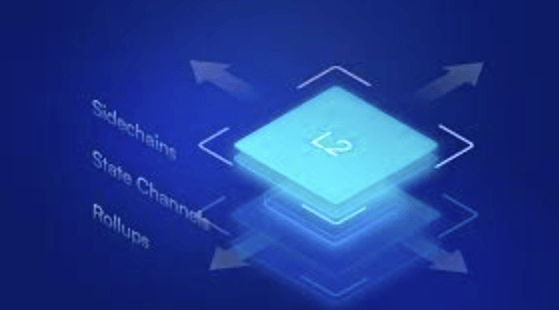
Layer 2 scaling processes transactions off-chain and batches results for final settlement on the base chain. This approach reduces on-chain congestion, cuts fees, and speeds up confirmation while preserving security through cryptographic proofs and formal state transitions. It enables higher throughput and more responsive user experiences during peak demand, supporting a range of applications from finance to gaming. The tradeoffs and integration details warrant careful consideration to determine impact on governance and interoperability.
Why Layer 2 Slashes Fees and Speeds Up Transactions
Layer 2 solutions reduce on-chain congestion by processing transactions off the main chain and periodically recording aggregated results back to the base layer. This mechanism lowers fees and accelerates settlement through off-chain computation and batching.
Low level optimizations streamline execution, while liquidity migration reallocates assets across layers to sustain throughput, minimize slippage, and preserve user sovereignty.
Privacy and Security: What Layer 2 Really Delivers
Privacy and security on Layer 2 solutions hinge on the separation of execution from settlement and the formal verification of state transitions. This architecture yields defined privacy tradeoffs and measurable security guarantees, aligning with liberty-minded aims. Data visibility varies by design, yet cryptographic proofs and dispute-resilience uphold integrity. Careful parameterization ensures predictable risk, auditable operators, and robust fault tolerance across optimistic and zk-based implementations.
Real-World Use Cases That Benefit From Layer 2
As on-chain compute and settlement costs constrain broad adoption, Layer 2 solutions demonstrate tangible benefits across finance, gaming, and enterprise workflows by moving execution off-chain while preserving finality on the underlying chain.
Real world use cases illustrate how scalability benefits enable faster settlements, lower fees, and composable interoperability without compromising security or trust assumptions, fostering broader experimentation and deployment.
See also: Benefits of Conducting Independent Research
How to Pick the Best Layer 2 for Your Use Case
Selecting the optimal Layer 2 solution requires aligning technical properties with specific use-case requirements such as throughput, latency, finality guarantees, and security assumptions. The analyst weighs scalability tradeoffs, interoperability, and governance dynamics, then maps these to operational goals. Decisions hinge on risk tolerance, validator incentives, and cost structure; the result is a clear, disciplined choice aligned with freedom to deploy efficient,Composable scaling.
Conclusion
Layer 2 scaling delivers tangible efficiency gains without compromising core security. By aggregating transactions off-chain and settling proofs on-chain, networks can reduce fees by orders of magnitude while maintaining finality and auditability. A striking statistic: some optimistic rollup deployments demonstrate throughput increases of 10–100x with transaction costs under a cent in many cases. For adopters, the key takeaway is predictable latency, lower costs, and preserved trust assumptions, enabling richer applications at scale.